What to Know Before Renting a Self‑Storage Unit for the First Time
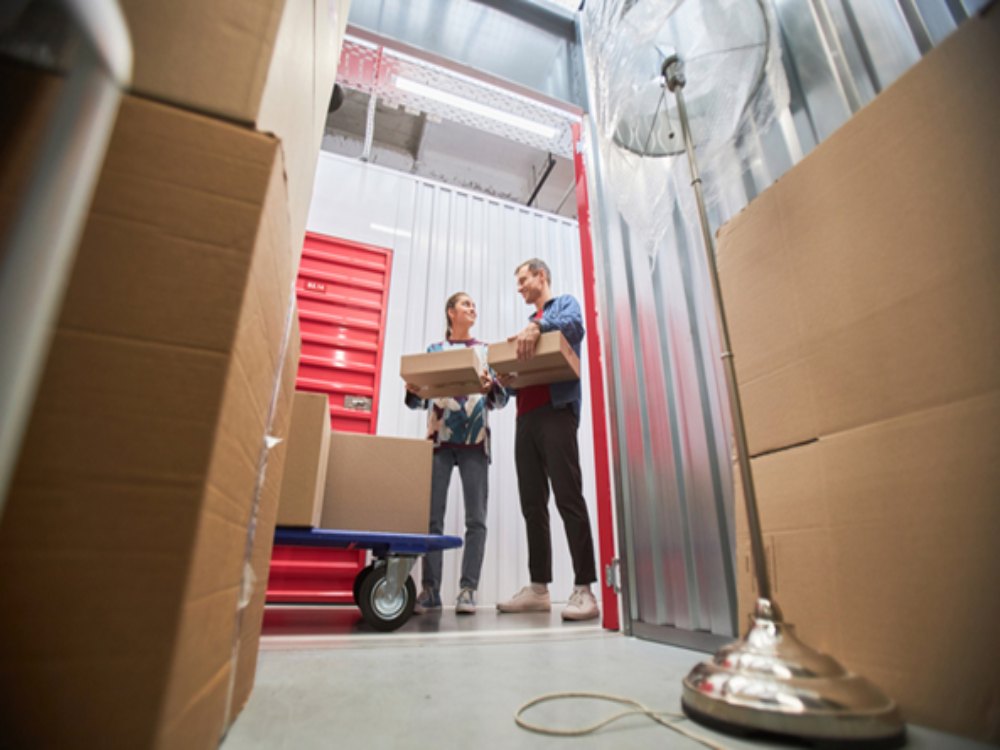
Renting a storage unit for the first time can feel a bit overwhelming. You’re likely in the middle of a big life transition, maybe a move across town, a home renovation, or just finally tackling that cluttered garage. While the process is straightforward, knowing what to expect can save you time, money, and stress.
This storage rental guide is designed to walk you through everything you need to know, ensuring your first experience with self-storage is smooth and successful. Whether you are in Orange County, Los Angeles, or the Inland Empire, finding the right extra space is easier than you think.
Why Self-Storage is a Lifesaver
Self-storage isn’t just about stashing away junk; it’s about creating space for life. For many first-time renters, storage becomes a necessary solution during specific life events. It offers flexibility and security when you simply don’t have enough square footage at home.
Common scenarios where a unit becomes essential include:
- Moving: Perhaps your new home isn’t ready yet, or you need to declutter your current home to stage it for sale.
- Downsizing: Moving from a house to an apartment often means you have furniture and heirlooms you want to keep but can’t fit immediately.
- Renovations: Protect your furniture from dust and damage while contractors work on your home.
- Seasonal Storage: Southern California residents love their outdoor gear. Storage is perfect for surfboards in the winter or holiday decorations in the summer.
- College Transitions: Students returning home for the summer often need a place to store dorm furniture.
Understand Your Storage Needs
Before you start looking at facilities, take a moment to assess exactly what you need. Showing up without a plan can lead to renting the wrong size unit or forgetting crucial packing supplies.
Start by making an inventory list. Write down the large items (sofas, beds, appliances) and estimate the number of boxes you will have. This visual inventory is the most effective tool for determining how much space you actually require.
Ask yourself:
- How long will I need the storage? (Short-term vs. long-term)
- How often will I need to visit the unit?
- Are my items sensitive to heat or humidity?
Types of Self-Storage Units
Not all storage units are created equal. Understanding the difference between unit types is a key part of learning how to rent unit space effectively.
Indoor vs. Outdoor Units
Indoor units are located inside a building. They offer greater protection from the elements and dust. These are typically accessed via hallways and elevators. They feel more like a walk-in closet and are excellent for personal items, electronics, and furniture.
Outdoor (Drive-up) units act more like a garage. You can drive your vehicle right up to the door, making loading and unloading heavy items incredibly easy. If you are storing patio furniture, tools, or a vehicle, this is often the best choice.
Climate-Controlled Units
In Southern California, temperatures can fluctuate. Climate-controlled units maintain a steady temperature range year-round. This is crucial if you are storing items that can warp, crack, or melt, such as wooden furniture, vinyl records, electronics, or artwork.
Cost Considerations
Price is always a major factor for a first-time storage rental. Storage costs can vary based on location, unit size, and amenities. When budgeting, look beyond just the monthly rent.
- Administration Fees: Most facilities charge a one-time setup fee.
- Insurance: Most reputable facilities require you to have insurance on your stored goods. You might be able to use your homeowners or renters insurance, or purchase a policy directly from the storage provider.
- Locks: You will typically need to purchase a high-quality disc lock to secure your unit.
- Promotions: Look for “first month free” or discounted rates for online reservations.
Always ask about the contract terms. Most self-storage operates on a month-to-month basis, which offers great flexibility if your plans change.
Security and Safety Features
Your peace of mind is paramount. When evaluating a facility like Pouch Self Storage, pay close attention to the security measures in place. You are trusting them with your valued possessions, so high standards are non-negotiable.
Key features to look for include:
- Gated Access: Entry should be controlled by a keypad code unique to each renter.
- Video Surveillance: Look for cameras covering key access points and hallways.
- Lighting: The facility should be well-lit, making you feel safe if you visit in the evening.
- On-Site Managers: Having staff on the premises during business hours adds a significant layer of security and service.
Let’s Get Started!
We hope this guide has made the prospect of renting storage less daunting. At Pouch Self Storage, we specialize in making the process simple for our Southern California neighbors. We offer a variety of unit sizes, state-of-the-art security, and “We Move You Free” truck services to help get you settled. If you have more questions or want to see a unit in person, we invite you to visit us. Our friendly staff is ready to help you find the perfect space for your needs. Our Pouch Self Storage experience easy.