Best Way to Pack a Storage Unit Efficiently
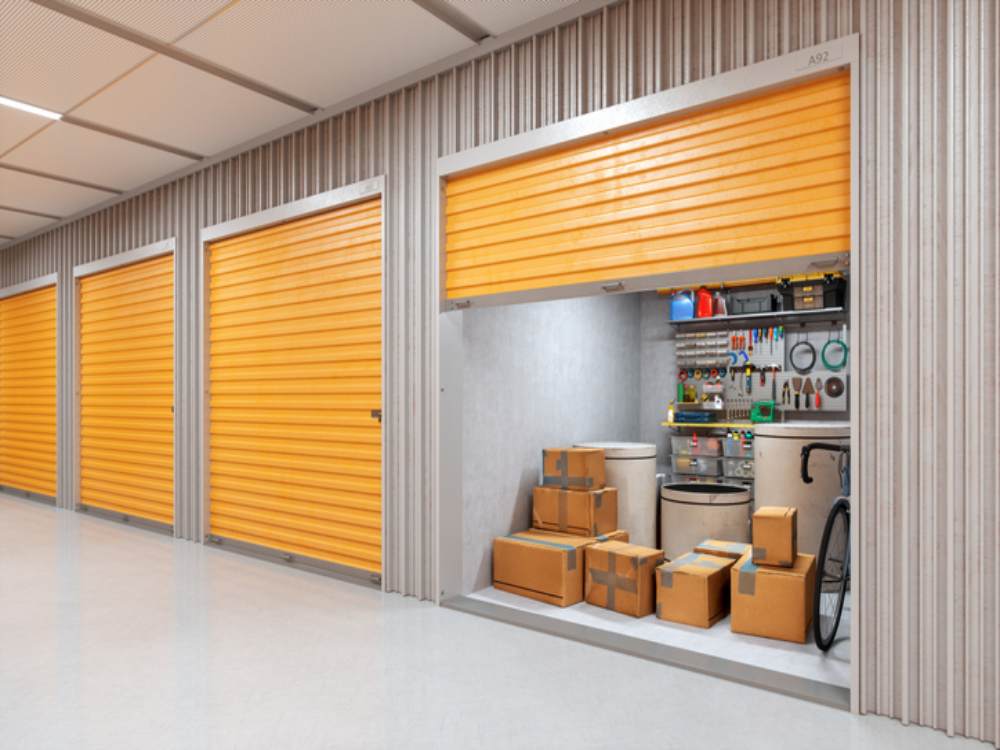
Best Way to Pack a Storage Unit Efficiently
Renting a storage unit is the easy part. Packing one well? That’s where most people struggle. To pack a storage unit efficiently, start with a floor plan, use uniform sturdy boxes, load heavy items first, stack vertically, and place frequently accessed items near the entrance. Grouping items by category and labeling every box on multiple sides are the two habits that save the most time in the long term.
This packing storage unit guide walks you through exactly how to do it right, from pre-move planning to smart stacking techniques. Follow these steps, and you’ll make every square foot count.
Plan and Organize Before Packing
Before packing day, take 10–15 minutes to sketch out an efficient storage layout. Identify which items you’ll need to access frequently (seasonal gear, documents, tools) and which can stay buried for months (holiday decorations, archived files). Plan to keep the first group near the entrance and push long-term items to the back. Here are a few additional steps worth taking:
- Create an inventory list of everything going into the unit. A simple spreadsheet or notes app works well.
- Group items by category (kitchen, clothing, furniture, seasonal) so similar belongings stay together.
- Measure large furniture pieces beforehand to avoid surprises when loading.
Use the Right Packing Supplies
The right materials make the difference between a unit that holds up for months and one that collapses into a pile of crushed cardboard. Here’s what to have on hand before you start:
- Uniform, Sturdy Boxes – Boxes of similar sizes stack far more cleanly than mismatched shapes. Avoid thin or damaged boxes, especially for items at the bottom of a stack.
- Bubble Wrap and Packing Paper – These are essential for fragile items such as glassware, art, and electronics.
- Heavy-Duty Plastic Wrap – These are useful for bundling loose items and protecting furniture surfaces.
- Mattress Bags and Furniture Covers – These protect upholstered pieces from dust and moisture.
- Permanent Markers and Labels – Label every box on at least two sides, including a brief contents list. Don’t rely on memory.
- Pallet or Wooden Boards – Placing these on the floor can protect belongings from moisture.
Load Heavy Items First and Stack Safely
Stacking storage boxes correctly is one of the highest-impact things you can do for both space efficiency and item safety. The rule is simple: heavy on the bottom, light on top. Dense boxes (books, tools, kitchenware) go on the floor. Medium-weight boxes sit above them. Fragile and lightweight items go on top, with nothing stacked above them. Mark those boxes “FRAGILE” clearly on every visible side. For furniture, follow these principles:
- Disassemble what you can. Bed frames, shelving units, and tables take up significantly less space when broken down.
- Store mattresses and sofas vertically along walls. This frees up floor space for boxes.
- Clean and treat furniture before storing. Wood surfaces benefit from a cleaner-polish product. Once cleaned, wrap furniture in bubble wrap, thick plastic, or heavy fabric to protect surfaces.
Maximize Storage Space Without Damaging Items
To maximize storage space, you need to think vertically. Most renters focus on floor space and underuse the height available to them. Stack sturdy boxes all the way up and place taller furniture items against the walls to open up the center of the unit. Beyond vertical stacking, here are storage organization hacks that make a real difference:
- Fill hollow spaces. Dresser drawers, suitcases, and large appliances can hold smaller items.
- Store shelving units assembled (if space allows) and use them to hold boxes. This keeps things elevated, organized, and easy to scan.
- Leave a narrow central walkway down the middle or along one wall. It seems counterintuitive to give up floor space, but being able to walk to the back of the unit saves time when retrieving items.
- Avoid stacking fragile or irreplaceable items. Rare collectibles, sensitive documents, stamps, and artwork should go into airtight containers.
Keep Frequently Needed Items Accessible
The front third of your storage unit is prime real estate. Use it wisely. Items that rotate in and out regularly, such as sporting equipment, seasonal clothing, business supplies, and important documents, should always sit closest to the door. Long-term storage items, such as archived paperwork, off-season furniture, and holiday decorations, go toward the back. Here are a few additional storage packing tips for easy access:
- Create Clear Zones – Dedicate specific areas to specific categories. “Kitchen items” stay left, “sporting goods” stay right, and so on. Once you know the system, retrieval takes seconds.
- Keep Your Inventory List Updated – Add new items as they go in and cross off anything you remove. This list is especially valuable if you’re sharing a unit or storing on behalf of a business.
- Take a Photo of the Layout After Loading – A quick snapshot from the doorway gives you a visual reference you can check before visits.
Frequently Asked Questions
What Packing Supplies Do I Need for a Storage Unit?
Essential supplies include uniform sturdy boxes, bubble wrap, packing paper, heavy-duty plastic wrap, furniture covers, mattress bags, and permanent markers for labeling. If moisture is a concern, wooden pallets or boards can protect items stored at floor level.
How Do I Protect Furniture in a Storage Unit?
Clean and treat furniture before storing it. Use a wood polish-cleaner for timber surfaces and a corrosion-resistant product for metal. Then wrap pieces in bubble wrap, thick plastic, or heavy fabric. Store sofas and mattresses vertically to save floor space, and avoid stacking anything directly on top of upholstered items.
Should I Leave a Walkway in My Storage Unit?
Yes. Leaving a narrow walkway down the center or along one side is one of the most practical storage organization hacks available. It allows you to reach items at the back of the unit without moving everything near the front, saving time and reducing the risk of damage during retrieval.
Your Storage Unit Is Only as Good as the System Behind It
Knowing how to organize a storage unit efficiently isn’t complicated, but it does require a system. Plan before you pack, choose the right supplies, load strategically, go vertical, and keep frequently needed items within arm’s reach. Do all of that, and your unit will work for you, not against you. Whether you’re storing for a month or several years, a clear, efficient storage layout makes every visit faster and less stressful. Contact Pouch Self Storage today to check our storage unit availability in Pasadena, San Juan, Anaheim, and other Southern California locations.