Storage Tips for Sports Equipment and Outdoor Gear
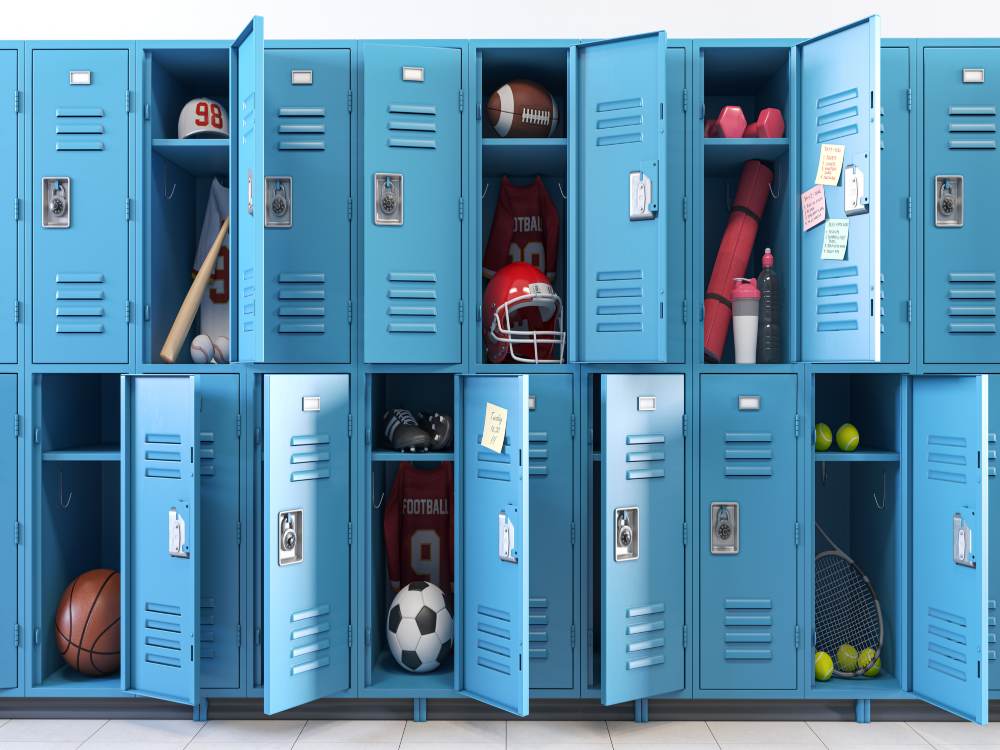
Sports equipment and outdoor gear take up a lot of space. Bikes, skis, camping tents, and gym equipment can quickly clutter a garage or closet. Storing these items properly will protect your investment and keep your home organized. Rely on the Pouch Self Storage team and our facilities across Southern California for tips to help you store your sports and outdoor gear safely, no matter the season.
Why Proper Storage Matters for Sports and Outdoor Equipment
Sports equipment storage is about more than just saving space. Bikes left in damp areas may rust. Camping gear stored while still damp can develop mold and mildew. Skis and snowboards can warp if they’re not stored properly. Taking a little time to store your gear correctly means it will be ready to use again when you need it. Ensuring your equipment lasts longer will also save you money on replacements.
Preparing Equipment Before Storage
Before you pack anything away, take a few steps to prepare it for storage:
- Clean Everything Thoroughly – Dirt, sweat, and moisture left on equipment can cause damage over time. Wipe down bikes, wash camping gear, and clean gym equipment before storing.
- Dry Items Completely – Any moisture left on gear can lead to mold or rust. Let items air dry fully before you pack them away.
- Check for Repairs – Fix any minor issues, such as loose bike chains or torn tent seams, before storage. This way, your gear is ready to go once you take it back out.
- Remove Batteries – Batteries can leak and cause damage over time, so remove any from your gear before storing it.
Best Practices for Storing Sports Equipment
Once your equipment is clean and dry, you must think about the best ways to store it properly:
- Use Vertical Storage for Bikes – Our bike storage tips include hanging bikes from hooks or using a bike stand. This keeps them off the ground and prevents damage to tires and frames.
- Store Balls in Mesh Bags – Basketballs, soccer balls, and other gym equipment do best in breathable bags rather than plastic bins, which can trap moisture.
- Gym Equipment Storage – Use shelving units to organize weights, resistance bands, and other gym gear. This makes it easier to find what you need and keeps your storage space tidy.
- Store Rackets and Bats Upright – Keeping items like tennis rackets and baseball bats upright helps prevent warping.
Storing Outdoor and Seasonal Recreation Gear
Outdoor gear storage solutions look a little different, depending on the type of equipment:
- Store Ski Equipment Properly – Ski equipment storage measures should include loosening ski bindings and placing skis flat or vertically in a dry area. This prevents warping and keeps the bindings in good condition.
- Pack Camping Gear Carefully – Camping gear storage ideas include keeping sleeping bags uncompressed to maintain their loft and tents loosely folded rather than tightly packed to avoid damaging the fabric.
- Protect Kayaks and Paddleboards – Store these items horizontally on padded racks or vertically leaning against a wall to avoid warping their hulls.
- Rotate Seasonal Gear – Seasonal sports storage means keeping only the gear you need close by, while storing off-season items further back in your storage space.
Common Storage Mistakes to Avoid
Avoiding these common mistakes can save you from costly repairs:
- Storing Gear While It’s Damp – This is one of the most common causes of mold and mildew damage.
- Overpacking Storage Spaces – Cramming too much gear into a small space can lead to accidental damage, like cracked frames or bent equipment.
- Ignoring Temperature and Humidity – Extreme heat, cold, or moisture can damage sensitive equipment, especially items with rubber, foam, or electronic components.
- Not Organizing Your Space – Without a system, it’s easy to lose track of items or damage gear while searching for something else.
Choosing a Storage Unit for Sports Equipment
When choosing a unit for your sports gear storage needs, think about:
- Size – Make sure the unit is large enough for your equipment and includes room to organize items without overcrowding.
- Climate Control – Some equipment – especially items sensitive to temperature changes – benefits from a climate-controlled space.
- Accessibility – If you use your gear often, opt for a storage facility that offers convenient access hours.
- Security – A secure facility helps protect your investment in sports and outdoor equipment.
Contact Us for a Storage Unit in Southern California
Pouch Self Storage offers a variety of storage unit sizes across Southern California, making it easy to find the right fit for your sports equipment and outdoor gear. Contact us today.
FAQ About Self Storage for Sports Equipment
Can Sports Equipment Be Stored Long Term?
Sports equipment can be stored for extended periods as long as it’s cleaned, dried, and organized properly before storage.
Should Outdoor Gear Be Cleaned Before Storage?
Outdoor gear should always be cleaned and completely dried before storage to help prevent mold, mildew, and odors from developing.
What Size Storage Unit Is Best for Recreational Equipment?
The best unit size depends on the amount and type of equipment you plan to store. A small unit may work for seasonal items, but a larger unit is better suited for bikes and gym equipment.
Is Climate-Controlled Storage Beneficial for Sports Gear?
Climate-controlled storage helps protect sensitive equipment – including anything with rubber, foam, or electronic parts – from extreme temperatures and humidity.